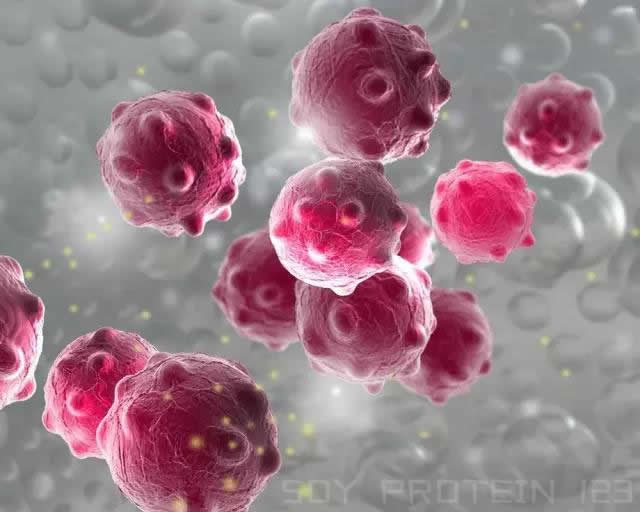
What if the cell is sick?

There is only one disease in humans ~ The cells are sick

Humans have only one disease – cell disease
Whether it is a normal cold or a mental illness like depression, or a life-threatening cancer, all illnesses are caused by failure of the body’s cells.

Two causes of cell disorders:
1. Malnutrition (the cell does not get what it needs): The raw material needed to repair or duplicate cells is incorrect or insufficient
2. Toxins attack (cells are poisoned by what they don’t need): Bacteria and viruses can also harm the body through the production of toxins.

Why do we eat?
Provide cellular nutrition

I feel weird when I first heard this question. People must grow up, and they need energy. . . . . A lot of it. We all know that our body is made up of systems. The system is made up of organs, the organs made up of tissues, the tissues made up of cells, and the cells are the smallest units of life that make up our body.

In other words, we are trying to provide nutrition to our cells. We must eat so many things every day.

A program has said that if a person’s life is 78 years old, he will eat a total of N tons of food in order to provide adequate nutrition to the cells.

Assuming that the human body is likened to a house, the cells are bricks. Only solid bricks can build a stable building. If your cells are damaged and you do not get enough nutrition, it is like hollow. Bricks, missing bricks, bricks that cut corners, do you dare to live with such bricks? Not dare! But do you know that 75% of us are now in an unhealthy state. They are people who live in such houses, that is, 75% of the people’s cells are not fully nutritional.

As we all know, the seven essential nutrients for the human body are: protein, vitamins, minerals, carbohydrates, fat, fiber, and water. People must have a full, sufficient and balanced intake of these nutrients to be healthy.

We know that cells are the smallest basic unit that constitutes the human body. The human body consists of 60-75 trillion cells. The relationship between the human body and the cells is an overall and partial relationship.

What is the nutrition of the cell stolen?
(1) unreasonable eating habits:
Big fish, overeating, fast food, snacks, junk food
(2) Nutritional losses during transportation and cooking:
Wash, cut, cook, fry, fry, fry
(3)the food’s own nutritional decline:
Finishing, greenhouse, genetic modification, environmental pollution

What poisoned the cells?
(1) external toxins:
Sunshine, air, water, food, chemical, radiation pollution
(2) internal toxins:
Metabolic waste, stress, etc.

When the accumulation of toxins exceeds the ability of the liver to detoxify, they will destroy all cells in the body. Blood poisoning is called toxemia, and toxemia is closely related to many diseases such as allergies, asthma, skin diseases, cancer, rheumatism, gout, arrhythmia, headache, and mental problems.

Three stages of cell disorders
(1) cell dysfunction (sub-health)
(2) tissue damage (ulcer, inflammation)
(3) organ dysfunction (diabetes, uremia, hypertension, heart disease and other diseases)

Cell – Organization – Organ – Life

Sub-health – Your cells are sick and the cell warns you!

Cell function determines human health: stimulate cell potential! Inspired by the birth of the “superpower of cell self-repair and regeneration” hidden in the human body, it is self-repair and rejuvenation of body organs, delaying aging and making you young!

Cell Activation Solutions

Improve cell energy, accelerate cell repair and regeneration
Effectively eliminate toxins and reduce physical burden

The important significance of cell activation lies in the influence of “into” and “out”, and the realization of true health is the perfect achievement of “into” and “out.”

into ⇒  Advances Nutritional Absorption
Out ⇒ Speed up the removal of toxins

What is cell nutrition?

Simply put, it is to give every cell of yours a balanced and balanced nutrition that promotes the repair, activation, and regeneration of cells to their optimal function.

The relationship between cellular nutrition products and cellular nutrition delivery systems:

Step 1: food (nutritional supplements, full of balanced nutrients)
Step 2: digestive system (digestion, decomposition, absorption of nutrients)
Step 3: Circulatory System (Transportation Nutrition)
Step 4: Each cell of each organ in the body (Using Nutrition)

That is: nutrients that meet human needs + conditioning digestive system + promote blood circulation + increase cell viability = cellular nutrition products

Everyone should be healthy and everyone can be healthy! Happy life begins with health, complete health begins with “Supplemental small peptides”; to Supplemental small peptides? Come and contact us!

We have created a lot of people’s moving health stories around us. We have a bright smile from the bottom of my heart. We are here to welcome you and give us a healthy and happy life.

The above information is from the Internet and is for reference only!


SUPERTIDES SDN. BHD. ( 1329849-V )

World scientists publish important discussions on peptides

World scientists publish important discussions on peptides

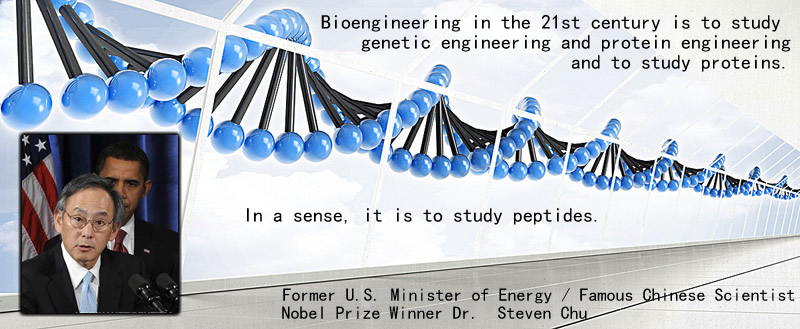
Bioengineering in the 21st century is to study genetic engineering and protein engineering and to study proteins. In a sense, it is to study peptides.
Former U.S. Minister of Energy / Famous Chinese Scientist / Nobel Prize Winner Dr. Steven Chu

“Peptides are almost used to treat any disease, and no drug can be compared.”
U.S. medical expert Dr. You Green

“Bioactive peptides are extremely active and diverse, superior to any nutrients and drugs.”
Nicaras Pelicon, MD, Chairman of the International Symposium on Skin Aging in the United States

“Peptides (for humans) have a full range of effects…”
—— Japanese medical expert Guanze Hewlett-Packard

“Peptides can significantly improve the liver disease caused by whatever cause.”
——Professor Kyle Hines of Canada

“A new anti-aging drug, peptides, has been found. Peptides can make people young and healthy. Peptides make a huge difference in the cosmetics world.”
——Dr. Powell Krud, a German expert

Small molecule active peptide therapy will at least increase human lifespan by twenty years.
——Dr. Kratz, a famous American biologist

“The causes and treatment of hypertension, gastrointestinal disease, diabetes, psychosis, cancer, immunocompromised disease, sexual development disorders and sexual dysfunction, and osteoporosis and malformation are directly related to active peptides.”
——Professor Gong Yueting, Shanghai Institute of Biochemistry, Chinese Academy of Sciences

“Peptides will become the most promising clinical treatment and health care drugs in the future. In the fields of medicine and biology, the 21st century will be the century of peptides. Active peptides will become a new generation of diseases such as cardiovascular and cerebrovascular diseases, nervous system, and rheumatism. Hope drugs.”
——Professor Meng Zhaohe, PhD supervisor, Institute of Nutrition and Food Hygiene, Chinese Academy of Preventive Medicine

“The endogenous enzymes, hormones, antibodies, and neurotransmitters in the human body are all expressed in the form of active peptides. The lack of active peptides in the human body will cause life to decline; the lack of active peptides will stop life.”
——Professor of the Chinese Traditional Medicine Association and Professor Dai Baoshun, a researcher and developer of the peanut protein active peptide series

The above information is from the Internet and is for reference only!
http://blog.sina.com.cn/s/blog_6b812ae10102xj22.html


SUPERTIDES SDN. BHD. ( 1329849-V )

Why do people get sick?

Scientists are shocked by the discovery of mysterious substances in the human body

Since the birth of the Earth, life, senescence, illness, and death are the natural laws of endless cycles of life, the history of human evolution is actually a history of struggle with disease. Faced with the pain of illness, humankind has been looking for ways to overcome it for thousands of years.

After all, why do people get sick?

Scientists gave the answer. People are made up of cells. If the cells are sick, people get sick. Cells are healthy and people are healthy.

Problems with cells → Problems with organization → Problems with organs → Problems with the system → People get sick!

1. The cells are made up of nutrients. In a person’s life, to eat 60 tons of nutrients in food is to nourish cells.

2. The essence and source of human health is that cells should be healthy! Scientific discovery: The causes of all diseases that people suffer can be attributed to problems with the cells.

3. In modern society, western medicine is to solve the problem of human organs, Chinese medicine is to solve the problem of the human body system, nutrition and health care is to solve the problem of human cells, so that taking health care products is the fundamental to health!

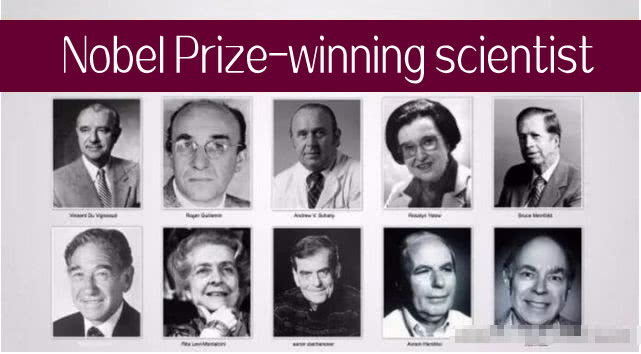
Whether it is a normal cold or a mental illness like depression, or a life-threatening cancer, all illnesses are caused by failure of the body’s cells. Since the discovery of peptides by German scientist Hermann Emil Fischer in 1902 and the Nobel Prize, the scientific community has been studying the magical substance of peptides for more than 100 years.

A scientific experiment that shocked the medical community

Rodman published the paper “Application of Human Growth Hormone in Elderly People over 60” in the New England Journal of Medicine. In 1985, Dr. Rodman of the United States and his assistants successfully used the gene recombination technology to artificially synthesize the active peptide (HGH), which is the same as human pituitary secretion. Dr. Daniel Rudman selected twelve men aged 61-81 years for clinical trials. He found that after six months of using HGH, the average muscle content of the subjects in the same age group in the control group was increased by 8.8% and fat was reduced by 14.4%. The skin thickened by 7.11%, the bone density increased by 1.6%, the liver increased by 19%, and the spleen increased by 17%. Dr. Rudman’s conclusion is that these 12 old peoples are younger, around 20 years old.

Through clinical trials, draw conclusions:

Peptides have a significant role in the treatment of cancer, severe liver disease, severe respiratory disease, chronic diseases, cardiovascular disease, hypertension, diabetes, rheumatism, cataracts, white hair turns black … and so on.

Leading the 21st Century Human Nutrition Revolution

Peptide health has risen in the world. Peptides have extremely strong activity and diversity. They are the focus of research and development in the world’s biological, medical, and pharmaceutical fields. Active peptides are ones that are highly valued and praised by the modern biological community. Active substances, with the gradual deepening of research in recent years, more and more biological functions have been discovered, giving the international biological community great shock and joy.

A fascinating biological spectacle is now in front of the people. Its derivative biomedical products, bio-health foods, and bio-cosmetics will benefit people.

“Peptides are the forms of life.” “All active substances in the human body exist in the form of peptides. Without peptides, life will stop.” This powerful compound is superior to any nutrient and medicine and is a magic weapon for human health. The 21st century will be the century of peptides.

Active polypeptide

Active peptides are the main switch to control human life. Active peptides are the total mediators of the human body’s major systems. Each cell is inseparable from his command and control. It is because of the regulation of active peptides that each life can be guaranteed. The normal growth of the tissue.

It participates in the growth and development of the human body and is involved in the metabolism of proteins, sugars and fats. It controls the quantity, quality and speed of protein synthesis, controls the synthesis of cells, and controls the normal expression and replication of genes. Controlling human disease and aging, Dr. Murrayfield named the substance “active polypeptide.”

The discovery of active peptides has created a new situation for humans to overcome all kinds of infectious diseases and chronic diseases to create cell therapy and gene repair. The discovery of active peptides has deciphered the password for the birth, death and death of humans and opened up a new era in the treatment of human diseases.

Information from the Internet, for reference only


SUPERTIDES SDN. BHD. ( 1329849-V )

What are Peptides?

Know what are small peptides?

The active peptides of small molecules are biochemical substances between amino acids and proteins. It is smaller than the molecular weight of the protein and is larger than the amino acid molecular weight and is a protein fragment. Two or more amino acids associated with peptide bonds, and “amino acid chains” or “amino acids” formed are called peptides. Among them, peptides consist of 10-15 amino acids called polypeptides, and that comprise 2-9 amino acids called small peptides.

1. Protein is an important component in human cells and tissues. It is the basic ingredient that forms the cells and accounts for 16% to 20% of the human body weight. It plays an important role in the activities of human life.

2. Amino acids are organic molecules that are the basic ingredients that form proteins. Amino acids are arranged in different combinations to form different types of proteins.

3. Peptides are organic compounds between amino acids and proteins and belong to protein fragments. Compounds in which two or more amino acids are associated with a peptide chain called peptides.

Using a simple and visual metaphor to illustrate the relationship between amino acids, peptides, and proteins, each amino acid coincides with beads, and a necklace that spins through the bead stack is protein, and the protein necklace is cut by scissors. Long fragments, these fragments are peptides.

We use genetically unchanged soy protein as raw material, using modern bio-enzymatic extraction technologies, peptides basically consist of 2-6 amino acids, average molecular weight of less than 500 Daltons. It is now the world’s top peptide .

The above information is from the Internet and is for reference only!


SUPERTIDES SDN. BHD. ( 1329849-V )

What are Peptides and How do They Work?

What are Peptides and How do They Work?

Peptides are formed by amino acids connected by a specific bond — they are the building blocks of proteins.

More than 7,000 peptides have been identified in nature and much more have been synthesized in laboratories.

In recent years, peptides have garnered extensive discussion amongst healthcare, athletic, research, and beauty circles.

The term “peptide” may be unfamiliar to most, but chemicals such as oxytocin and insulin are widely-known important discoveries.

These are both, in fact, peptide hormones – hormones whose molecules are peptides.

Since secretin, a peptide hormone, was discovered in 1902, peptides have been an important area of scientific research.

This post should help familiarize you with what peptides are and how they work, giving you a glimpse into the many ways that they can improve health and quality of life.

Chemical Structure

Peptides are compounds consisting of two or more amino acids connected by a peptide bond.

This kind of bond is formed when the carboxyl group of one molecule reacts with the amino group of another to release a water molecule.

When a peptide has 10-30 amino acids, it becomes a polypeptide.

When one or more polypeptides are joined in a certain way, they become a protein.

All proteins are polypeptides.

When a peptide consists of more than 50 amino acids, they automatically come to be classified as proteins.

Although peptides are known as smaller versions of proteins, they have abilities beyond this identity.

Peptide Classes

Peptides are categorized into classes based on how they are produced.

Each class has a set of purposes for which they tend to be used.

Milk Peptides are produced from milk, which is rich in protein. They are created when milk proteins go through enzymatic breakdown by digestive enzymes or when milk is fermented, causing lactobacilli to form proteinases. This class of peptides has been shown to have antihypertensive effects in scientific studies.

Peptones are formed by the hydrolysis of protein – the partial chemical breakdown that occurs when protein, in the form of animal tissue, milk, plants, or other source comes into contact with water. Peptone water has applications in microbiology as a growth medium for bacteria.

Ribosomal Peptides are formed by the translation of mRNA. Compared to nonribosomal peptides, these are more easily modified after formation to become new peptides.

Nonribosomal Peptides are synthesized without the involvement of ribosomal machinery. Soil-inhabiting microorganisms are the primary creators of nonribosomal peptides. The nonribosomal peptide surfactin can be used to revive oil-contaminated soils, and the nonribosomal peptide bacitracin can be used as an antibiotic.

Peptide Fragments are either formed by enzymatic degradation in a laboratory setting or found in nature, after having gone through natural degradation. They can be used for identifying or quantifying their source proteins.

Uses for Peptides

Proteins are ubiquitous in human life.

Peptides, their smaller versions, have a similarly wide range of applications.

They are often easier to absorb than proteins.

They have many useful applications in healthcare, cosmetics, and bodybuilding, making them powerful components of consumer ad industry.

Peptides as Therapeutic Drugs

Therapeutic peptide drugs can be prescribed to patients suffering from a variety of health problems.

These comprise a large part of modern cancer research and have a variety of current and potential applications in the oncology field, as some types of peptides can target cancer cells without damaging regular cells.

Peptide-based hormonal therapy can aid in the treatment of breast and prostate cancers.

Peptide-based cancer vaccines can be created from synthetic peptides derived from the protein sequences of certain antigens.

In fact, this kind of vaccine makes up the majority of clinical trials focusing on biological therapy for cancer.

Peptides that can have a positive impact on biological functions are called bioactive peptides.

They can work as antioxidants, antimicrobial agents, hypertension fighters, and much more.

Many antibiotics and hormones (including insulin) are peptides.

Peptides are an important area in healthcare research and have great potential.

Peptides as Anti-Aging Cosmetics

Peptides can help reinforce pre-existing proteins in the body.

Protein production decreases with age, and peptides can help to combat this reduction.

When applied to the skin, certain peptides can have rejuvenating effects, including smoothing, hydration, and firming.

Various peptides are often combined into one anti-aging product so that various effects can be achieved simultaneously.

Collagen, for example, is a protein that makes up most of the skin.

Collagen levels decrease as people age, and many anti-aging cosmetics incorporate collagen to reverse these effects.

Peptides are smaller than proteins, so are generally easier for the skin to absorb.

They come in serums, creams, and oils. Some of the peptides commonly found in cosmetics include:

Collagen peptides, derived from bovines, are made from hydrolyzed collagen. This is a version of collagen that is easier to absorb.

Palmitoyl, or Matrixyl, is the most commonly used peptide in skin care. Found in anti-aging cosmetics, it can reduce the appearance of wrinkles.

Argireline achieves a similar effect to the Botulinum Toxin, commercially known as Botox. It effectively reduces wrinkle depth. This chemical can be found in cosmetics. SNAP-8 is one of the newer, currently popular manifestations of Argireline.

Peptides and Muscle Repair

Some peptides mimic naturally occurring peptides in the body, enhancing the body’s natural healing capabilities.

These are different from anabolic steroids as they typically have little to no side effects, and don’t usually affect reproduction organs.

Some of these include:

BPC-157 is a type of synthetically-produced peptide that, in clinical studies, has been proven to facilitate the healing of muscle tears, bone fractures, and other injuries. It is known and used as an experimental treatment amongst bodybuilders, although it has not yet been officially approved for human consumption. No side effects have been reported.

TB-500 is another synthetic peptide that can heal not only muscles but also skin and eye tissue. It is also an anti-inflammatory agent. It has undergone clinical trials and real-world trials on horses, resulting in increased race-day performance.

Selective Androgen Receptor Modulators (SARMs), These stimulate the androgen, achieving a similar effect to taking testosterone, without the side effects of testosterone. These can help increase bone density and strength, according to reviews of their functions, making them invaluable to breast cancer and osteoporosis patients.

Peptides and Weight Control

Growth Hormone Releasing Peptides, or GHRPs, affect the number of growth hormones released by the hypothalamus and pituitary.

They can either increase or decrease growth hormone secretion, depending on the type.

They can affect growth hormone release rates and hunger levels, aiding in weight control.

They are instrumental to the treatment of metabolic diseases and are also popular among bodybuilders hoping to lose fat and gain lean muscle.

GHRP-6, for example, increases higher growth hormone secretion and promotes food intake.

It is used to treat issues such as GH deficiencies and eating disorders. GHRP-2, on the other hand, also promotes GH release, although it creates less hunger effect.

It can increase strength, help decrease fat in the body and help heal injuries.

Peptides and Athletes/Bodybuilders

Many peptides are available only through prescriptions, for patients with existing health complaints.

For healthy individuals, peptides can help improve performance.

Most consumer discussions on the Internet center around peptides for athletic and bodybuilding use.

They have become a popular alternative to anabolic steroids.

Steroids come with several unsightly side effects, but peptides work by enhancing the body’s natural abilities and come with few known side effects.

Peptides are also a worthy alternative to protein supplements due to their smaller size and relative ease of absorption.

Some peptides are available for purchase in supplement form, such as in collagen peptides powders.

Some athletes also inject high purity peptides that are labeled for experimental use, although selling them for this purpose is still an illegal practice.

The most popular peptide types used by athletes, whether legal or illegal, include the following:

SARMs have a similar effect to steroids, without the side effect of converting testosterone into DHT, which is one of the most undesirable side effects of steroid use. Popular varieties used amongst bodybuilders include Ostarine, Ligandrol, and Andarine.

GHRPs are popular amongst athletes for their variety of functions, including muscle repair, body fat reduction, and strength increase. GHRP-2 and GHRP-6 are most relevant to athletes.

BCP-157 can aid in muscle repair.

Ipamorelin is a type of GHRP that acts similarly to GHRP-2 and GHRP-6, although it does not cause increased hunger urges.

Additional Uses

Diagnostic peptides can aid health specialists in diagnosing patients, as some peptides change color when they come into contact with viruses or toxins. Lyme disease and HPV are examples of illnesses for which diagnostic peptides exist.

Peptide nanotubes are gaining increasing interest in the nanotechnology field. They have several potential applications, including as a part of sensors and electronics.

Food Corporations can employ bioactive peptides to aid in the preservation of food. The “beefy meaty peptide,” for example, gives foods a beefy flavor. This was discovered in 1978 but cannot be mass-produced due to high costs of production.

Delta sleep-inducing peptides, or DSIPs, have been able to induce sleep in rabbits, reduce chronic pain, and treat narcolepsy. In the future, this has potential as a sleep quality drug for insomniacs.

The Future of Peptide Research

As peptide synthesis becomes a simpler and cheaper process, there will be potential for a higher volume of commercial peptide production.

People’s lives can change for the better, from better health treatment options to a more enriched life.

You can look forward to new, interesting applications.

Peptide research is an exciting field, as more and more applications for peptides are constantly being discovered and approved for human use.

With their limited side effects and closeness to natural body functions, peptides are something for consumers and scientists alike to be optimistic about.

Source from:
well beingsecrets.com


SUPERTIDES SDN. BHD. ( 1329849-V )